
Blue Hour Photography Is the Hottest Portrait Trend of 2025 | Northern Pics
Why Blue-Hour Portraits Are 2025’s Most Striking Photography Trend
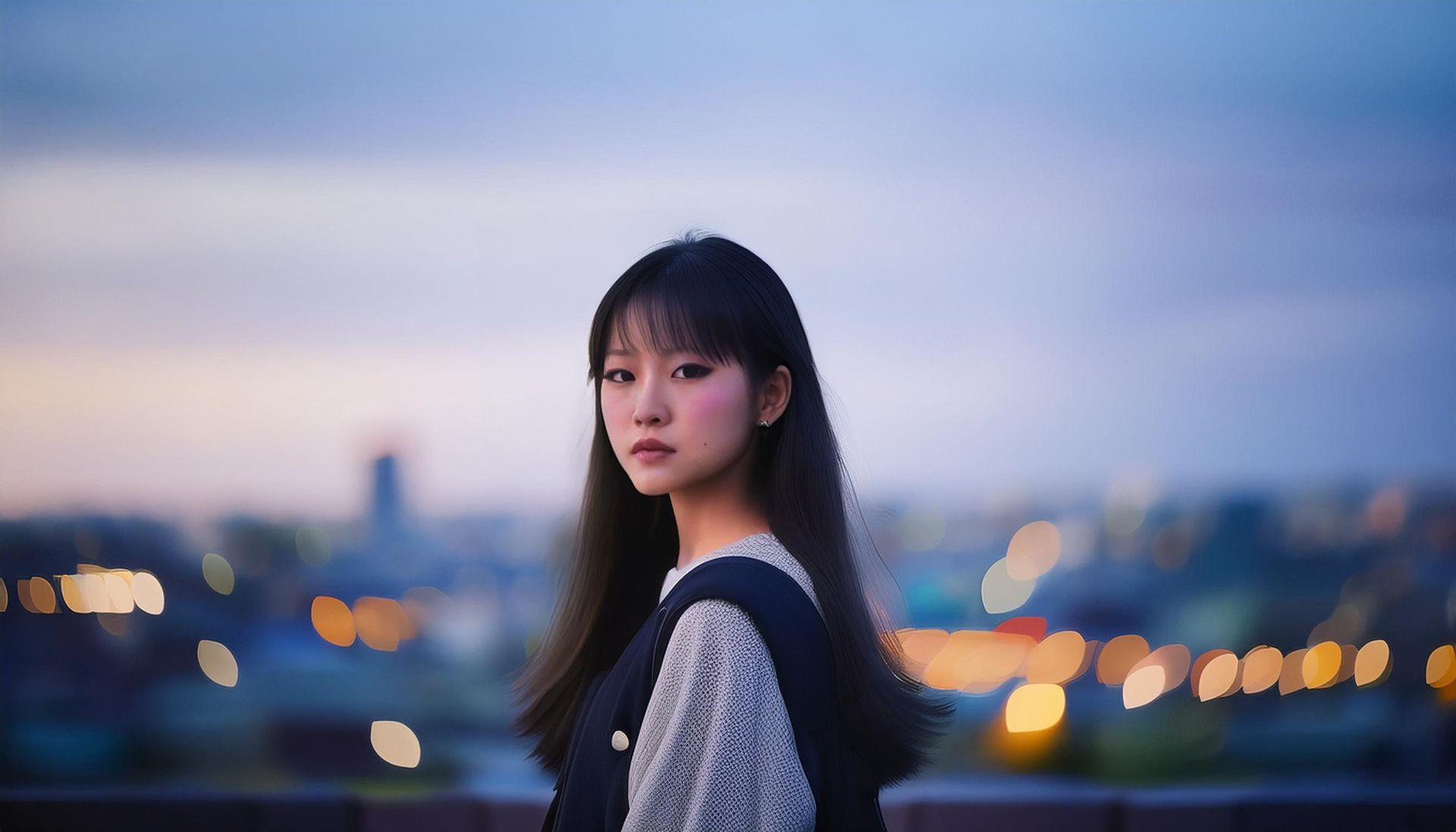
Blue hour has officially entered the spotlight, quietly, dramatically, and with a cool-toned punch that’s reshaping how we think about natural light portraits. In 2025, couples and photographers alike are shifting their focus beyond golden hour. The soft, cinematic light just after sunset (or before sunrise) is now one of the most in-demand looks in modern photography, and it’s easy to see why.
What Is Blue Hour?
Blue hour refers to the short window of twilight before sunrise or after sunset when the sun is below the horizon, but the sky is still lit with deep shades of blue and purple. It typically lasts 20 to 40 minutes, depending on the time of year and your location. In Canada, that could mean a longer window during summer evenings in the north, or a quick flash of light in winter.
Photographers love it for its even, shadowless light, low contrast, and naturally moody tones. It’s subtle and understated, yet incredibly dramatic when framed the right way.
Why It’s the Hot Trend in 2025
Blue-hour portraits are dominating photography news cycles right now because they tick every box in the evolving tastes of clients and creators: emotional, cinematic, editorial, and natural.
A recent feature in Brides magazine called blue hour “the new must-have wedding portrait style.” It’s easy to see the appeal: couples want moody, authentic, film-like images that feel more like stills from a movie than posed portraits in the sun. Blue hour delivers exactly that.
Whether it’s a couple illuminated by the last hint of daylight or a creative shoot blending flash with deepening dusk, this trend allows photographers to tell stories that feel more like moments than setups.
Why Blue Hour Works So Well for Portraits
- Soft light, fewer shadows: Perfect for skin tones and flattering on the face.
- Cinematic atmosphere: The tones naturally feel dramatic and intimate.
- Creative flexibility: Easily combine ambient light with off-camera flash, LED lighting, or natural sources like candles or street lamps.
- No interruptions: For wedding photographers, blue hour happens after the ceremony and dinner, when schedules loosen up and clients are more relaxed.
- Editorial appeal: Think magazine-quality shots, with the emotional depth to match.
How You Can Use Blue Hour in Your Photography
Here in Canada, blue hour offers something uniquely beautiful in every province. From the northern glow over Saskatchewan’s wide open skies to mist settling over Banff, there’s endless potential to build portraits into landscapes.
Here’s how I’ve been experimenting with it in my own work—and how you can too:
1. Scout Locations in Advance
Blue hour is fleeting. You’ll want to know exactly where the subject will stand, what direction the light fades, and how to frame the scene before the clock starts ticking.
2. Understand Exposure in Low Light
You’re shooting with a limited light source, so getting exposure right is critical. Use a tripod when needed. Bring fast lenses (f/1.4–f/2.8) and don’t be afraid to bump your ISO higher than usual. The softness of blue hour can hide noise well.
3. Combine Natural and Artificial Light
Direct flash, backlighting with LED panels, car headlights, string lights—these all look amazing when used creatively against a twilight sky. It’s a perfect time to experiment with layering light.
4. Incorporate the Landscape
For landscape photographers like me, blue hour portraits are a chance to combine nature and people in a single story. Whether it’s a silhouette against a waterfall, or a couple walking through a field just after sunset, it’s a powerful visual blend.
5. Plan by Location and Season
In Banff, Jasper, or Northern BC, blue hour can stretch out and linger, especially in the summer. In Ontario or along the coast, timing might be tighter. I always use tools like PhotoPills or the Photographer’s Ephemeris to plan.
Why This Matters for Canadian Photographers
Blue hour isn’t new, but how we’re using it is. As editorial-style, documentary-inspired photography continues to dominate in both weddings and portraits, blue hour has emerged as one of the most powerful storytelling tools we have.
If you’re looking to elevate your portrait work, stand out in a crowded market, or push the boundaries of your creative lighting, blue hour is worth chasing.
And if you’re a couple looking for photography that feels emotional and honest without all the posing and flash, this is your moment—literally.
Whether I’m in the Canadian Rockies, deep in the woods of Northern Ontario, or wandering the back roads of British Columbia, I’ve learned to never pack up after sunset. That soft blue light that most people miss? That’s where the real magic happens.
Watch for future blog posts where I’ll break down gear setups, show behind-the-scenes from blue-hour shoots across Canada, and share tips for balancing exposure in challenging conditions.
What is blue hour in photography?
Blue hour is the short window of time just after sunset or just before sunrise when the sun is below the horizon, but the sky is still softly illuminated. The light during this time is cool, diffused, and often deep blue in tone, ideal for creating moody, cinematic portraits and landscapes.
How long does blue hour last?
Blue hour typically lasts between 20 and 40 minutes, depending on your location, the time of year, and atmospheric conditions. In summer months and northern regions of Canada, it can stretch longer. In winter, it moves quickly, so planning is key.
What are the best camera settings for blue-hour portraits?
Use a fast lens (f/1.4 to f/2.8), bump your ISO moderately (400–1600 depending on your camera), and keep your shutter speed as low as possible without introducing blur. Use a tripod if shooting static subjects, and consider adding off-camera light to balance exposure if needed.
Can you use flash during blue hour?
Absolutely. Blue hour is one of the best times to combine natural ambient light with artificial sources like flash, LED panels, or even car headlights. The ambient light provides a soft background glow, while your flash adds detail and focus to the subject.
How is blue hour different from golden hour?
Golden hour occurs just after sunrise or before sunset and creates warm, golden tones with longer shadows. Blue hour happens right after golden hour (or just before sunrise) and offers cooler, softer light with minimal shadows. Blue hour feels more dramatic and editorial—perfect for stylized or emotional portraits.
Where can I shoot blue-hour portraits in Canada?
Some of the best spots include:
Banff or Jasper: Mountain silhouettes against a twilight sky.
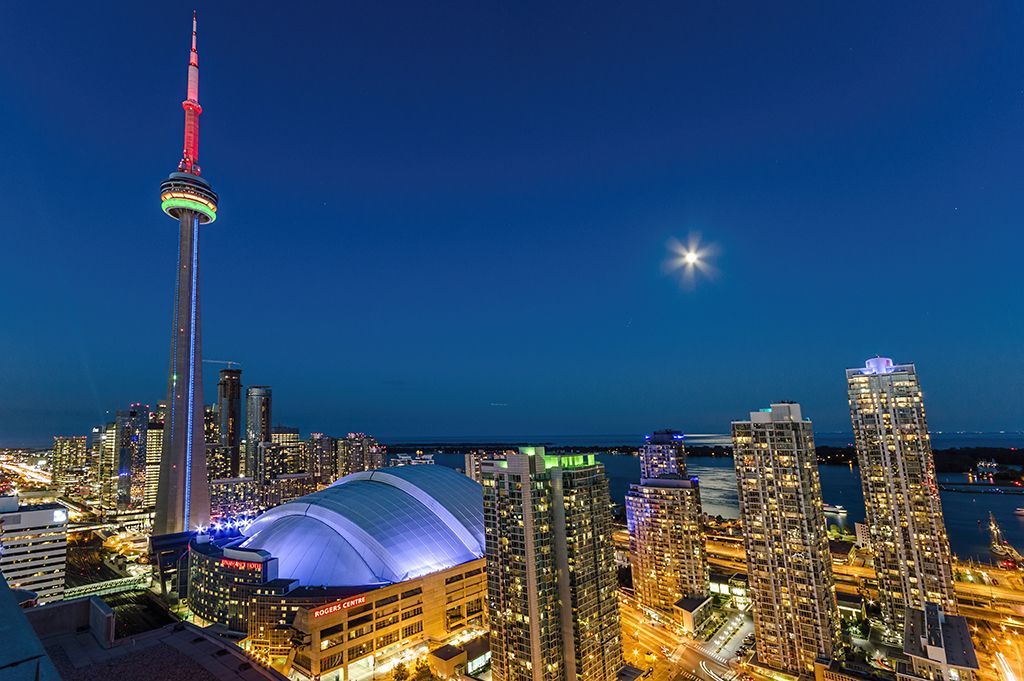
Toronto skyline: Reflections in Lake Ontario after sunset.
Northern Ontario lakes: Calm water and soft mist in early morning.
Saskatchewan prairies: Wide open skies and uninterrupted horizons.
What gear is best for shooting blue-hour photography?
Essentials include:
A DSLR or mirrorless camera with good low-light performance
A fast prime lens (like 35mm or 85mm f/1.8 or faster)
A sturdy tripod
Remote shutter release (optional)
Off-camera flash or LED lighting (for portraits)