
What Is ISO in Photography? A Beginner's Guide to Mastering Light
What the Heck is ISO, Anyway?
ISO can sound intimidating. You see it on your camera, hear it thrown around in tutorials, and maybe even tried messing with it once before switching back to Auto. But here’s the truth: if you want control over how your photos look, you need to understand ISO.
I’ve been shooting for over 13 years, and I still remember avoiding that setting like it would ruin my photos. Eventually, I realized ISO isn’t some advanced feature—it’s just part of the exposure puzzle. In this article, you’ll learn exactly what ISO is, how it works, and how to use it with confidence.
What ISO Really Means
ISO stands for the International Organization for Standardization, which originally standardized film sensitivity ratings across different brands. In digital photography, ISO refers to your camera sensor’s sensitivity to light. The higher the ISO number, the more sensitive the sensor becomes, allowing you to shoot in lower light without changing your aperture or shutter speed.
Common ISO Ranges
- ISO 100 to 200: Best for bright outdoor conditions
- ISO 400 to 800: Good for cloudy days or indoor lighting
- ISO 1600 and up: Useful for low-light scenes, night photography, or concerts
Every time you double your ISO, your camera needs half as much light to make the same exposure.
How ISO Affects Your Image
1. Exposure
Raising ISO brightens your photo when you can't adjust shutter speed or aperture further.
2. Image Noise
Higher ISO increases grain (digital noise). This isn’t always bad. Some grain adds character, especially in black-and-white shots.
3. Dynamic Range
At lower ISOs, your images retain more detail in highlights and shadows. High ISO can reduce this range.
When to Adjust ISO
You're in control. Here's when you should raise or lower ISO:
- Low light: Indoors, nighttime, concerts, or dark rooms
- Fast shutter speed needed: Sports, wildlife, or handheld shots
- You’re maxed out on aperture: If you’re already wide open at f/1.8 or f/2.8
ISO in the Real World
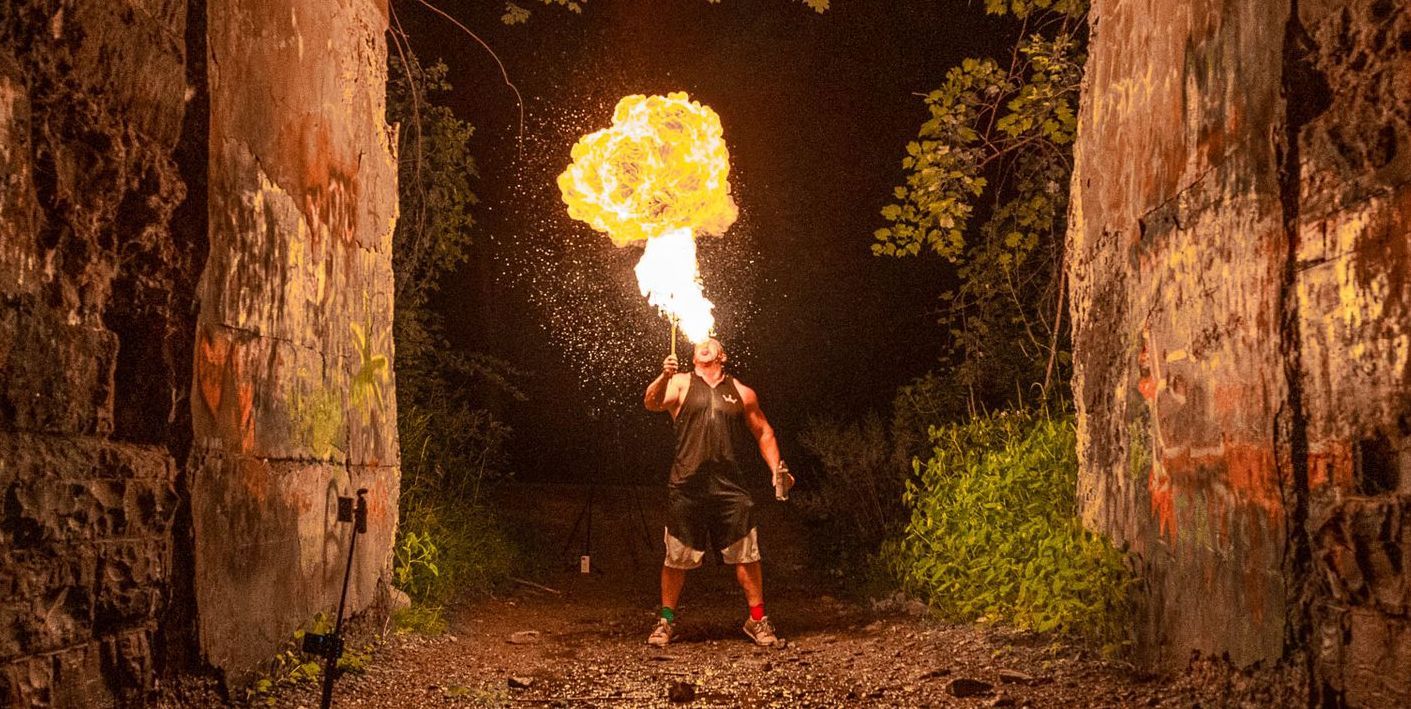
Don’t fear high ISO. Modern cameras handle it surprisingly well.
"Today’s sensors are so advanced, shooting at ISO 3200 or even 6400 is normal. You’ll only notice serious noise if you pixel-peep or underexpose." — Chris Niccolls, PetaPixel (2024)
According to a 2024 Statista report, over 72% of mirrorless camera users now shoot in manual or semi-auto modes, and ISO is the most frequently adjusted setting after aperture.
Tips to Use ISO Like You Know What You’re Doing
- Start with ISO 100 or 200 in good light
- Raise ISO before you risk blur from a slow shutter
- Don’t worry about grain unless you're printing large
- Practice shooting the same scene at different ISO levels
What does ISO stand for?
ISO originally referred to the International Organization for Standardization, which standardized film sensitivity. In digital photography, it means your camera sensor's sensitivity to light.
Does higher ISO always mean more noise?
Yes, but modern sensors handle high ISO better than ever. You can get clean images at ISO 1600 or even 3200 with proper exposure.
What is the best ISO setting for indoor photography?
Start around ISO 400–800 for well-lit indoor scenes. Raise it if you're in low light or using a fast shutter.
Is Auto ISO a good idea?
Auto ISO is useful in changing light. Many pros use it with manual mode to keep shutter and aperture locked while letting ISO float.
Should I always keep ISO as low as possible?
No. Use the ISO that gives you the best exposure without sacrificing shutter speed or aperture.