Auto Mode Isn’t a Sin: How I Learned to Stop Worrying and Start Shooting
Auto Mode Isn’t a Sin: How I Learned to Stop Worrying and Start Shooting
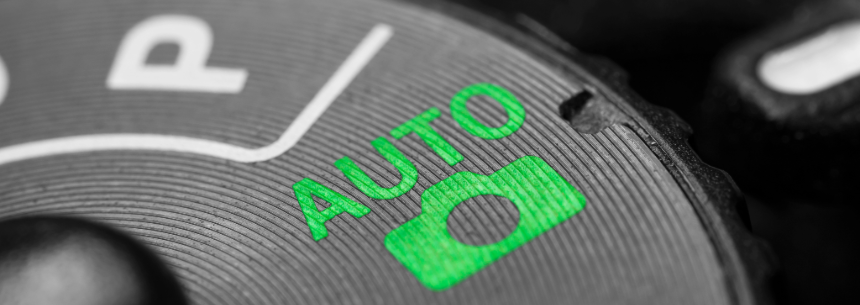
Let’s get this out of the way right off the bat: auto mode is not the enemy. If you’re just starting out, it’s actually your best friend. The whole “auto mode is for beginners” thing is a bit of a myth, and honestly, it had me stressed when I was first picking up my camera. But the truth is, there’s no shame in using auto mode. In fact, it was the perfect starting point for me.
Why Auto Mode Was My Lifesaver
When I first started with photography, I wasn’t about to dive headfirst into the complicated world of shutter speeds, apertures, and ISO. Nope. I just set my camera to auto and started shooting. It wasn’t fancy, but it worked. I didn’t need to know the technicalities yet; I just needed to get used to holding the camera, framing shots, and playing around with different compositions. And guess what? My photos weren’t terrible. Sure, some were a bit off, but I could see my progress over time, and that was enough to keep me motivated.
The Moment I Freaked Out About Manual Mode
I’d heard it everywhere: “You need to shoot in manual mode if you want to get serious about photography.” The pressure was real. So, I switched my camera from auto to manual and immediately felt like I was lost in a sea of numbers and dials. It wasn’t pretty. Every time I tried to tweak something, I’d end up with blurry shots or overexposed images. My confidence took a hit.
But here’s the thing: messing up is part of the process. It’s how you learn. And, honestly, I needed to fail to figure out how the settings worked.
Semi-Auto Mode: The Perfect Middle Ground
Eventually, I discovered semi-auto modes like aperture priority and shutter priority. These were like training wheels for manual mode. With aperture priority, I could control the depth of field while letting the camera take care of the rest. In shutter priority, I could decide how much motion I wanted to capture, while the camera handled the other variables. It was a great compromise, allowing me to experiment with settings without feeling overwhelmed.
This was the sweet spot. I wasn’t fully trusting the camera to make all the decisions, but I didn’t have to wrestle with manual mode just yet. It was a nice balance.
Failure Was My Best Teacher
Look, I’m not going to sugarcoat it, I made a ton of mistakes. But guess what? Every single one of those mistakes taught me something. Sometimes I overexposed shots, sometimes I had motion blur, and sometimes I just got it plain wrong. But with every failure, I learned. I started understanding how aperture, shutter speed, and ISO all interacted with each other. Slowly, things started to click, and I began making smarter choices when adjusting my settings.
Making the Leap to Manual Mode
When I finally started shooting in full manual mode, it felt different. Instead of feeling like I was drowning in numbers, I started to see the decisions I was making in real time. I understood why the exposure triangle was important. I could adjust settings based on my creative vision. It no longer felt like a chore; it felt freeing.
But here’s the real kicker: It didn’t happen overnight. I didn’t suddenly become a pro photographer just because I moved to manual mode. It was a gradual progression, and there was no rush. I still use auto mode when I’m in a pinch or just want a quick shot. There’s no shame in it.
The Big Takeaway: Stop Worrying, Start Shooting
If you’re just starting out, don’t stress about manual mode right away. Use auto mode to get comfortable with your camera and learn what kinds of photos you like to take. The more you shoot, the more you’ll want to experiment with settings. And when that happens, don’t force it; let it happen naturally. Manual mode will feel like the next step when you’re ready, not before.
Photography is about expressing yourself and capturing moments, not stressing over settings. So take a deep breath, stop worrying about what others say, and just shoot. You’ll learn along the way, and every shot, good or bad, is a step forward.
Is it bad to use auto mode on my camera?
Not at all! Auto mode is great when you're starting out. It helps you focus on composition and the basics without worrying too much about settings. As you get more comfortable, you can experiment with other modes.
When should I switch from auto to manual mode?
It’s all about feeling comfortable. If you start to feel like auto mode is limiting you and you want more control over your shots, it’s time to start experimenting with manual mode. There’s no rush.
What’s the difference between semi-auto and manual mode?
In semi-auto modes (like aperture or shutter priority), you control one setting, and the camera handles the rest. Manual mode gives you full control over everything — aperture, shutter speed, and ISO. It’s all about the level of control you want.
Why should I learn manual mode if auto mode works fine?
Manual mode lets you get more creative and precise with your photos. You can adjust settings to suit your vision, especially in tricky lighting or when you want to achieve a specific effect. Auto mode is fine for quick shots, but manual mode offers more freedom.
How can I practice using manual mode without wasting too many photos?
Start slow. Experiment with one setting at a time, like shutter speed or aperture, in a controlled environment. Take test shots and see what works. Over time, you’ll get better at adjusting settings on the fly.